Taiwan x Germany Mini-Symposium Debuts at Baogao Smart Industrial Park: Focusing on Trapped-Ion Systems and Applied Quantum Information
Taiwan x Germany Mini-Symposium Debuts at Baogao Smart Industrial Park: Focusing on Trapped-Ion Systems and Applied Quantum Information
Post Date
September 10, 2026
Centers
Topic
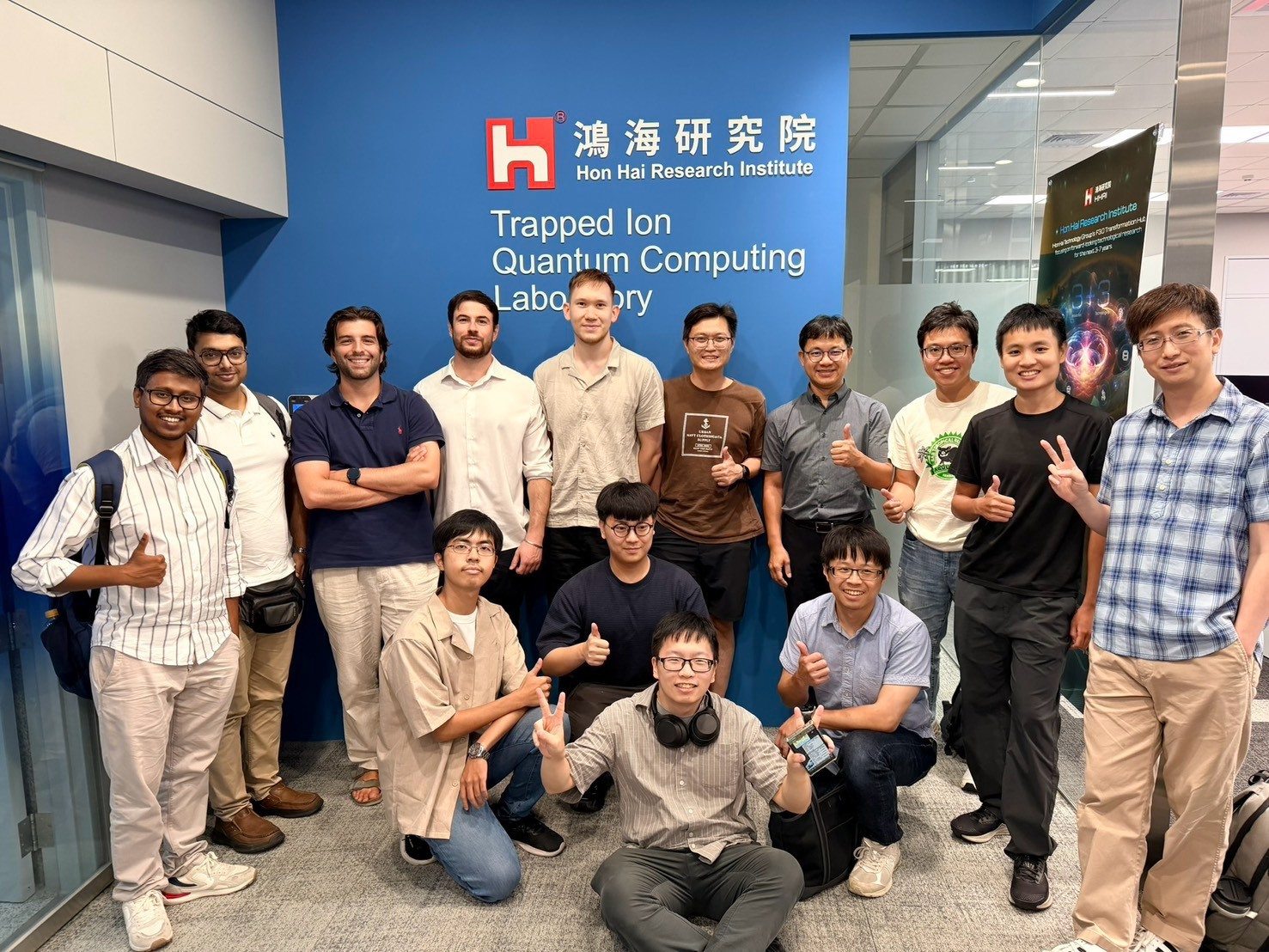
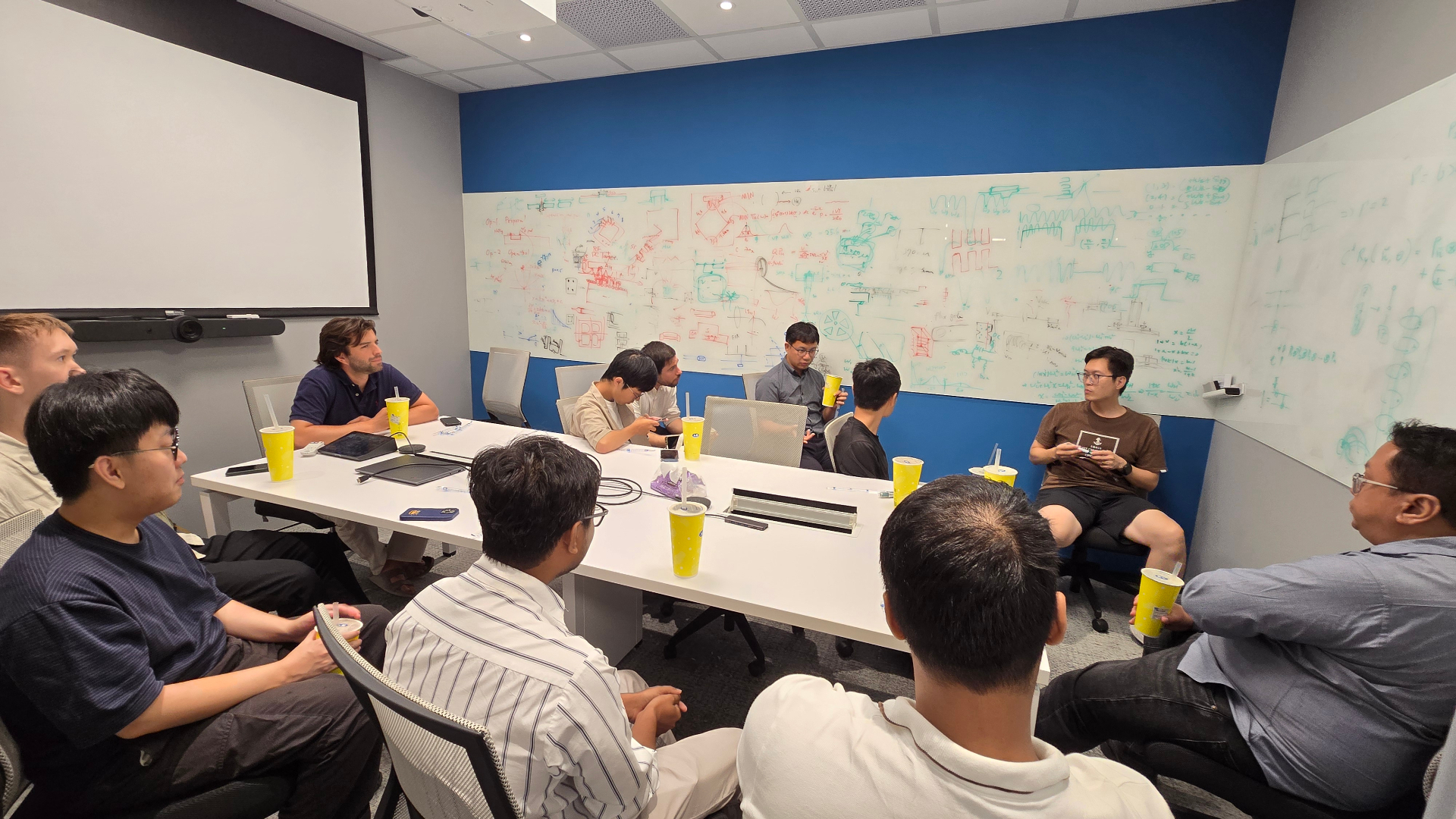
The "Taiwan x Germany Mini-Symposium," jointly organized and attended by the Hon Hai Trapped-Ion Quantum Computing (TIQC) Laboratory, the Hon Hai Quantum Computing Research Center (HHQC), and multinational teams from Germany, took place on August 4, 2026, at the Baogao Smart Industrial Park in Xindian District, New Taipei City. Under the theme "Applied Quantum Information and Its Implementation on Trapped-Ion Systems," the symposium brought together scholars, experts, and early-career researchers from Taiwan and Germany to explore the latest developments in trapped-ion hardware architectures, quantum resource theories, and frontier quantum algorithms.
🏛️ Focusing on Trapped-Ion Quantum Computing: HHQC R&D Capabilities and Laboratory Tour
The morning session opened with a keynote presentation titled "TIQC in Hon Hai" by Dr. Tze-Wei Liu , which comprehensively outlined Hon Hai's technological roadmap and hardware layout in Trapped-Ion Quantum Computing (TIQC). Continuing the session, Dr. Jun-Yi Wu delivered an in-depth analysis on "The Classical and Quantum Resources in Modular Quantum Computing," followed by Pedro Barrios from Germany, who presented recent theoretical investigations into the "Fundamental Limitations on Entanglement Extraction from Purity."
The morning agenda also included a TIQC Laboratory Tour, allowing participating researchers and scholars to visit the trapped-ion laboratory situated within the Baogao park. Attendees gained firsthand insight into the construction progress of ultra-high vacuum (UHV) systems, microfabricated ion-trap chips, and laser-optical control setups, exchanging perspectives on the interplay between theoretical models and hardware implementations.
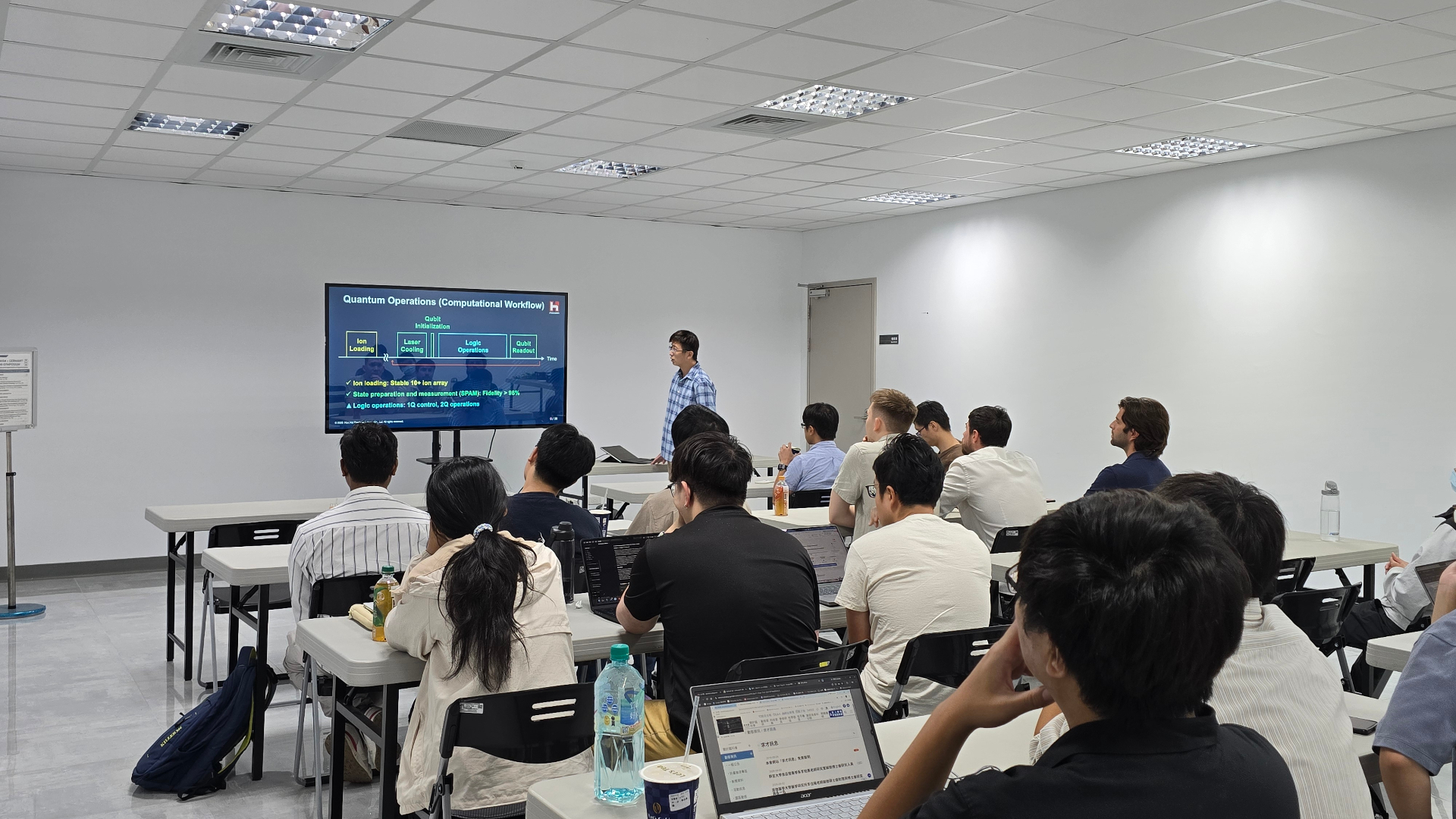
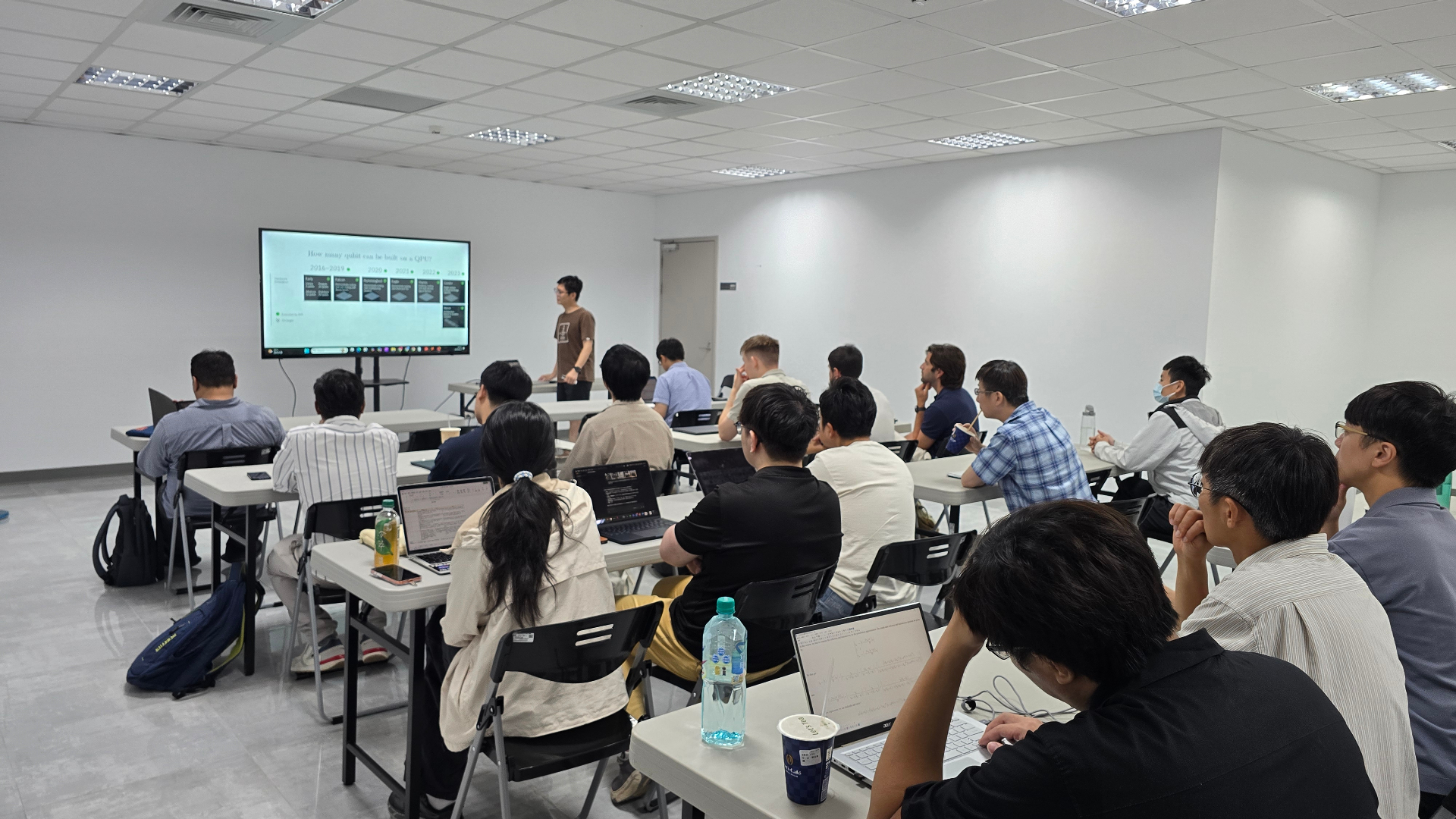
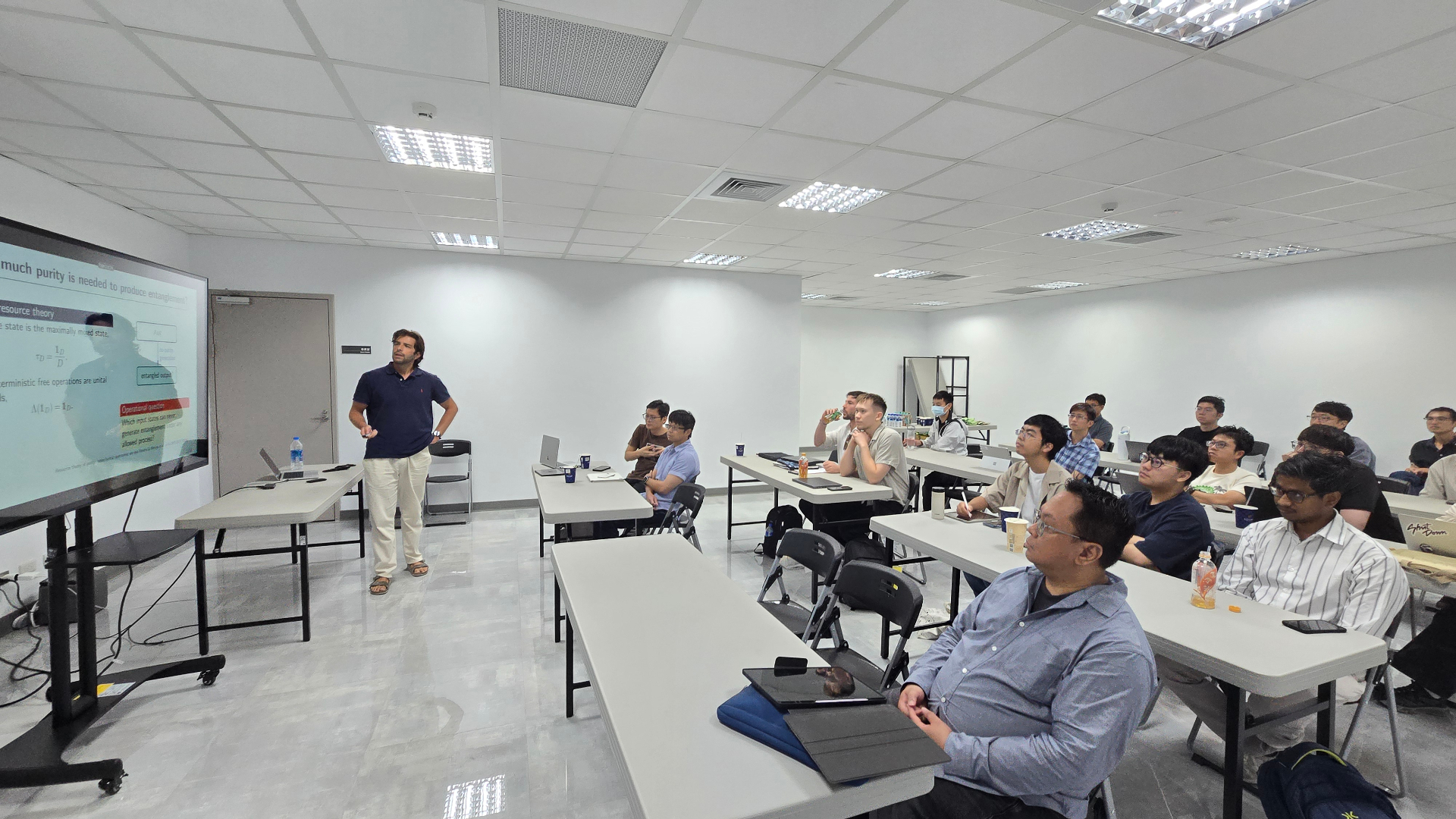
🎓 Drive-Through Quantum Gates and High-Dimensional State Encoding: Frontier Applied Quantum Technologies
The afternoon sessions centered on critical advancements in quantum gate control and quantum information processing architectures:
Drive-Through Quantum Gate: Ting Hsu (MSc) presented "Drive-Through Quantum Gate: Non-Stop Entangling a Mobile Ion Qubit with a Stationery One," discussing operational mechanisms for generating entanglement without halting ion shuttling, offering a promising control solution for distributed and modular ion-trap architectures.
High-Dimensional Structured Data Encoding: Vittorio Pagni explored "Scalable Unitary State Encoding for Structured High Dimensional Data," broadening the feasibility of quantum state preparation across complex, high-dimensional datasets.
Foundations of Quantum Measurement: Raphael Brinster delivered a talk titled "Maximally Non-Projective Measurements Are Not Always Symmetric Informationally Complete," providing a rigorous theoretical characterization of non-projective quantum measurements and informational completeness.
Patch-Potential Noise Suppression in Skeleton-Electrode Traps: Dr. Chon-Teng Belmiro Chu presented "Geometry-Resolved Suppression of Patch-Potential Heating in Skeleton-Electrode Ion Traps," introducing an innovative geometry-resolved methodology to suppress electric-field noise heating, directly providing concrete hardware design pathways to enhance ion coherence times.
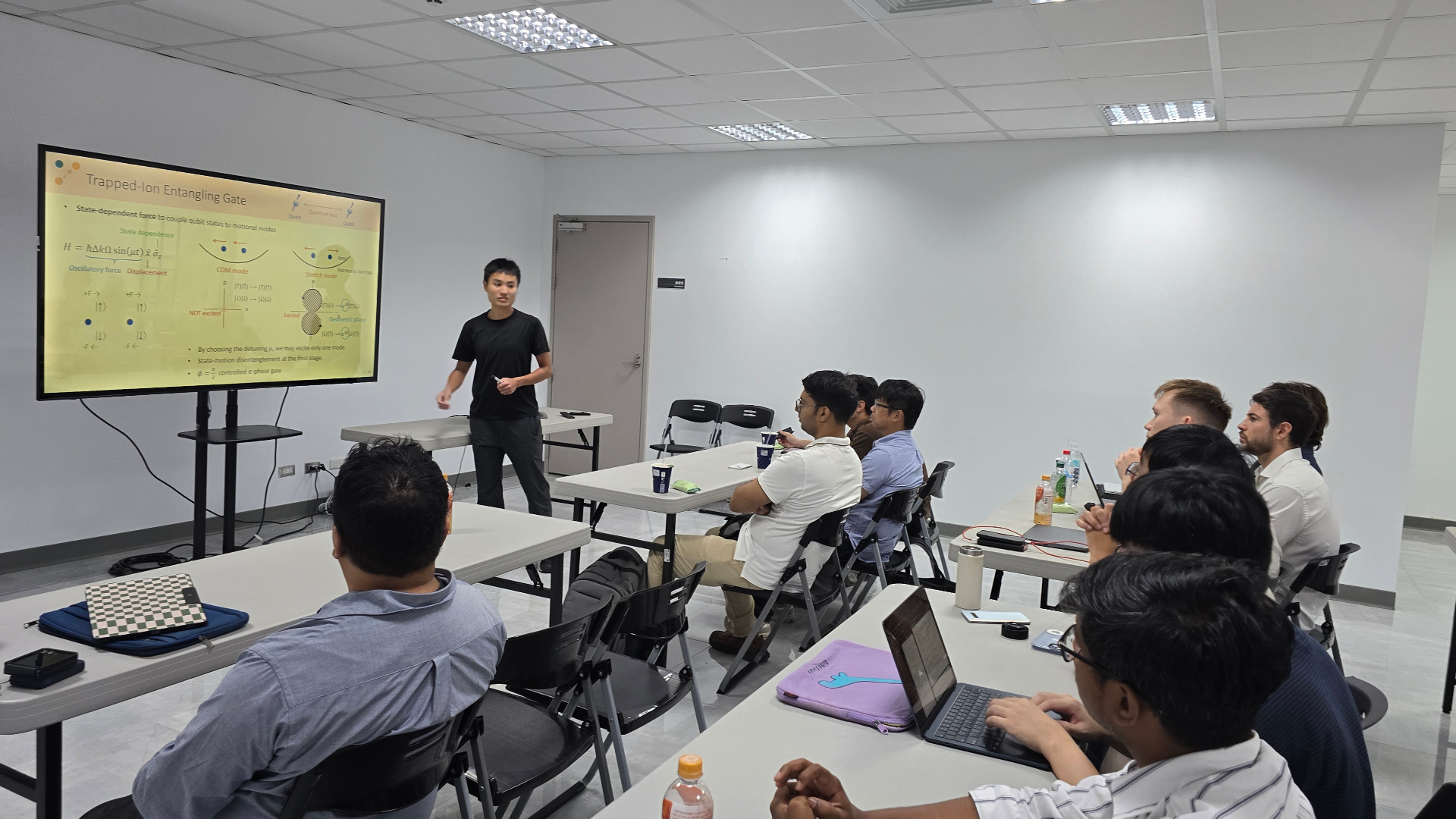
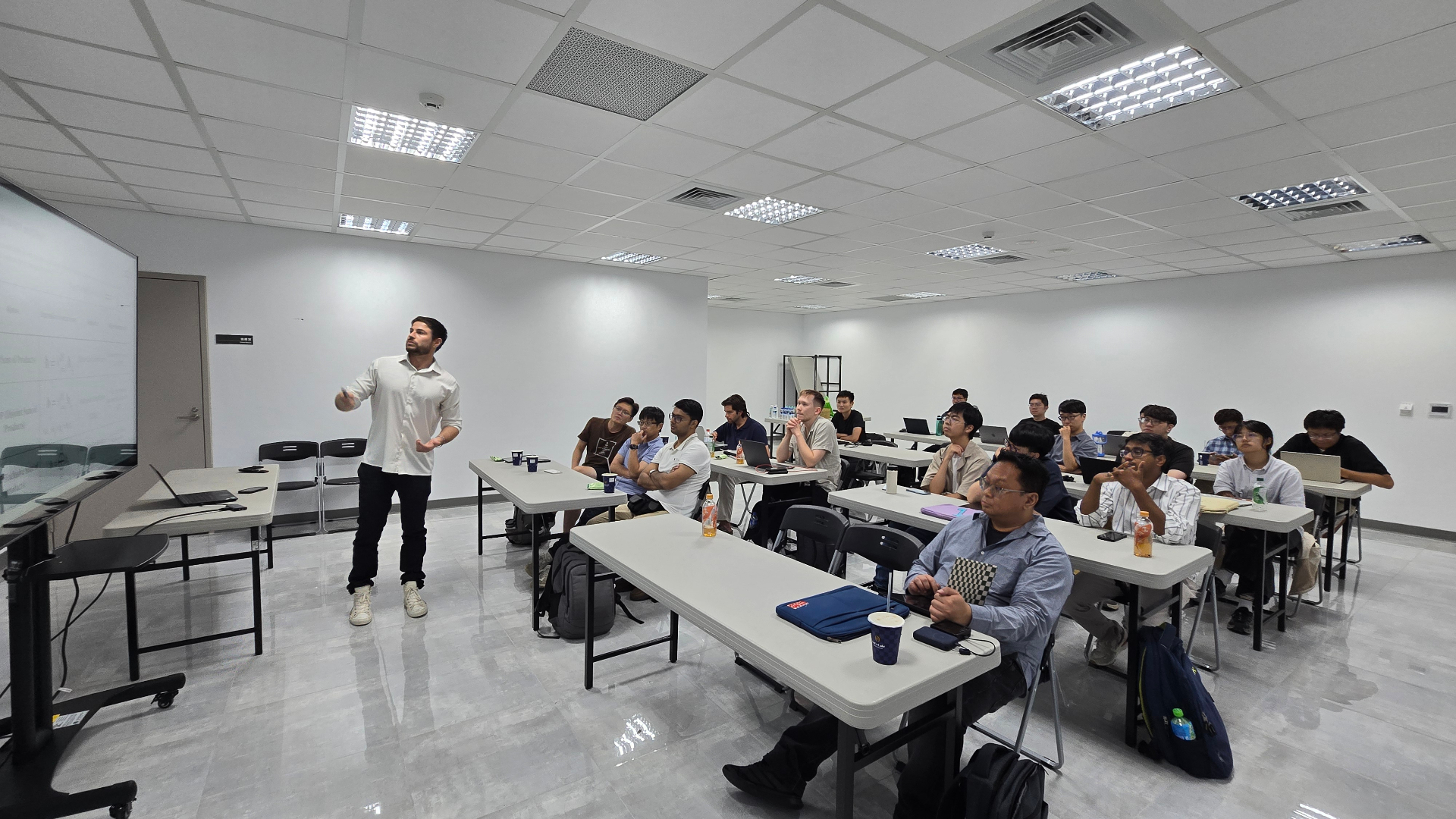
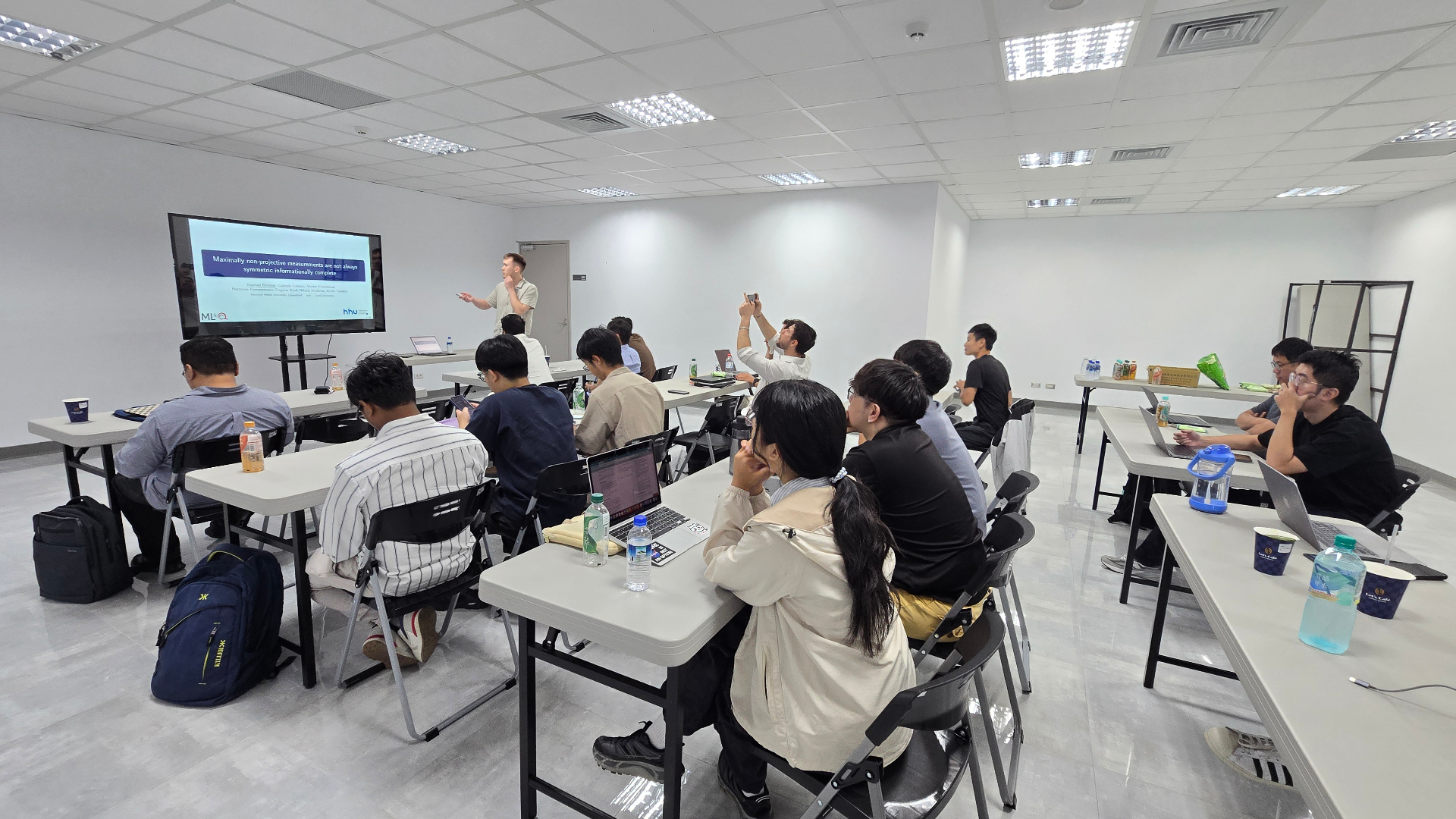
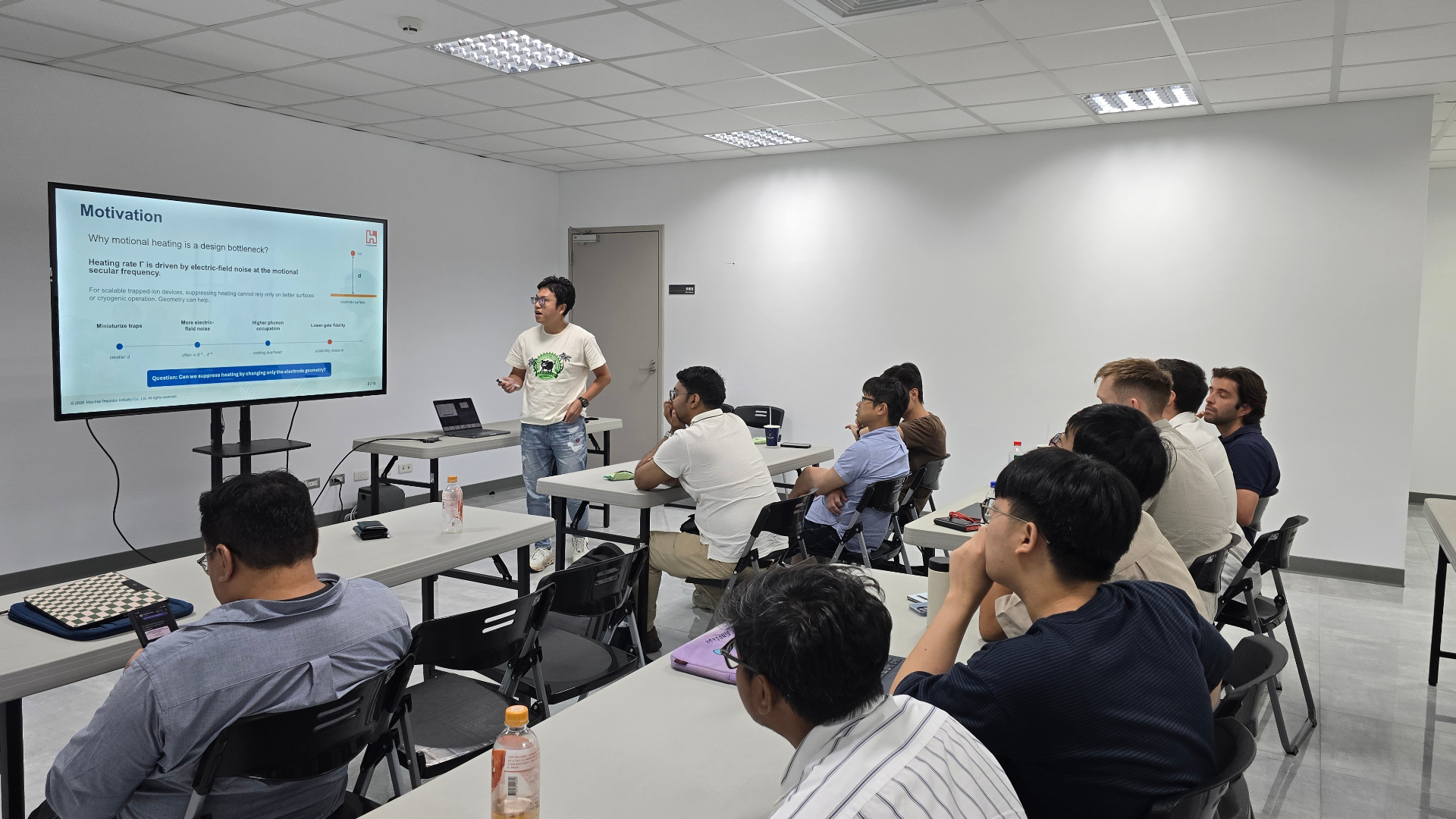
🤝 Deepening Cross-Border Academic Exchange to Accelerate Quantum Technology Implementation
Concluding the symposium, researchers from Taiwan and Germany engaged in fruitful discussions on hardware scalability, hybrid architecture integration, and the execution of quantum algorithms in practical physical systems. Through technical talks, the laboratory tour, and interactive discussions, researchers from both regions deepened mutual understanding of their respective research frontiers, creating valuable opportunities for direct dialogue bridging quantum information theory and experimental hardware engineering.
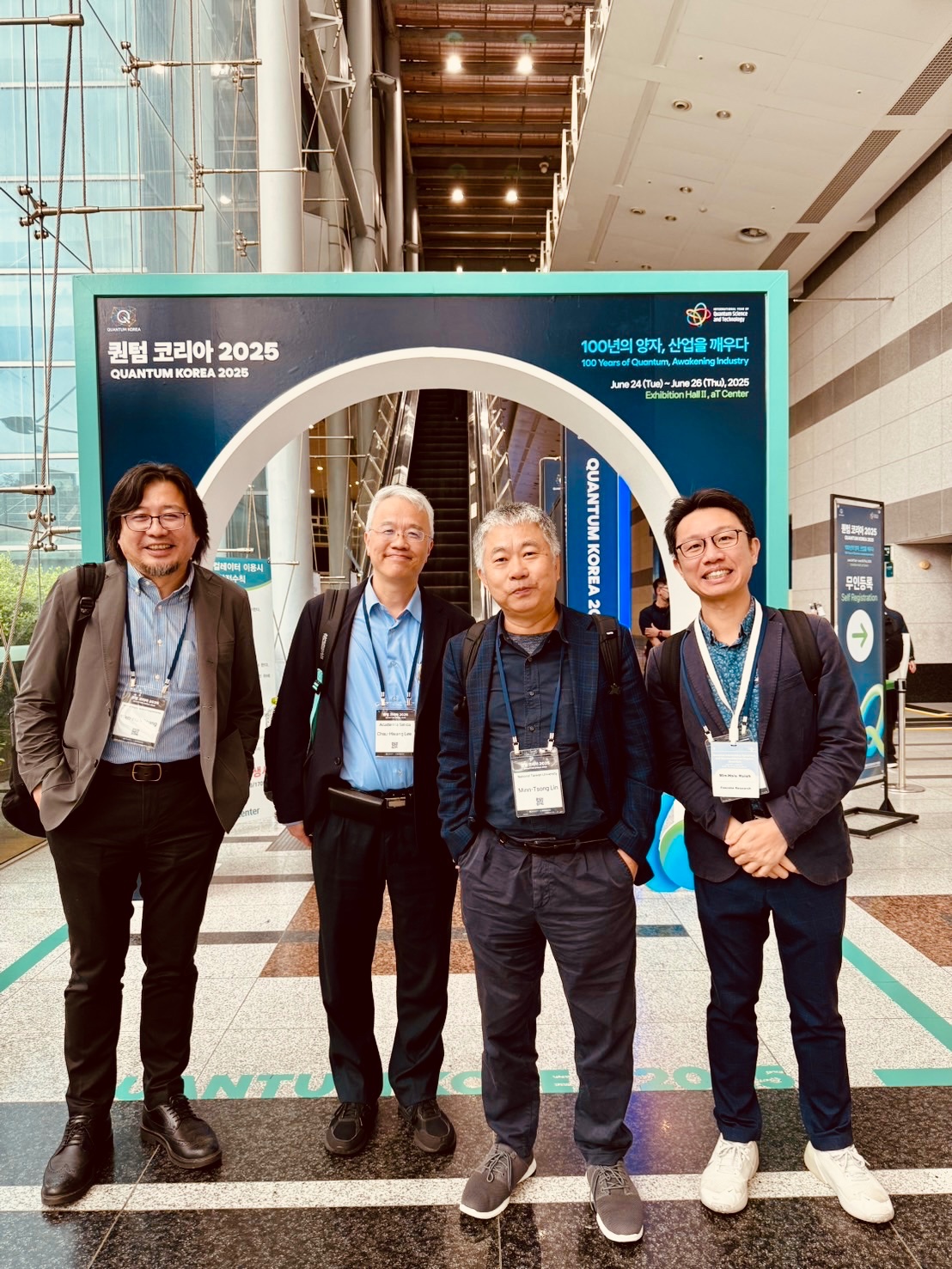
Director Min-Hsiu Hsieh Attends Quantum Korea 2025 with Taiwan Delegation, Showcasing Taiwan’s Quantum Strength
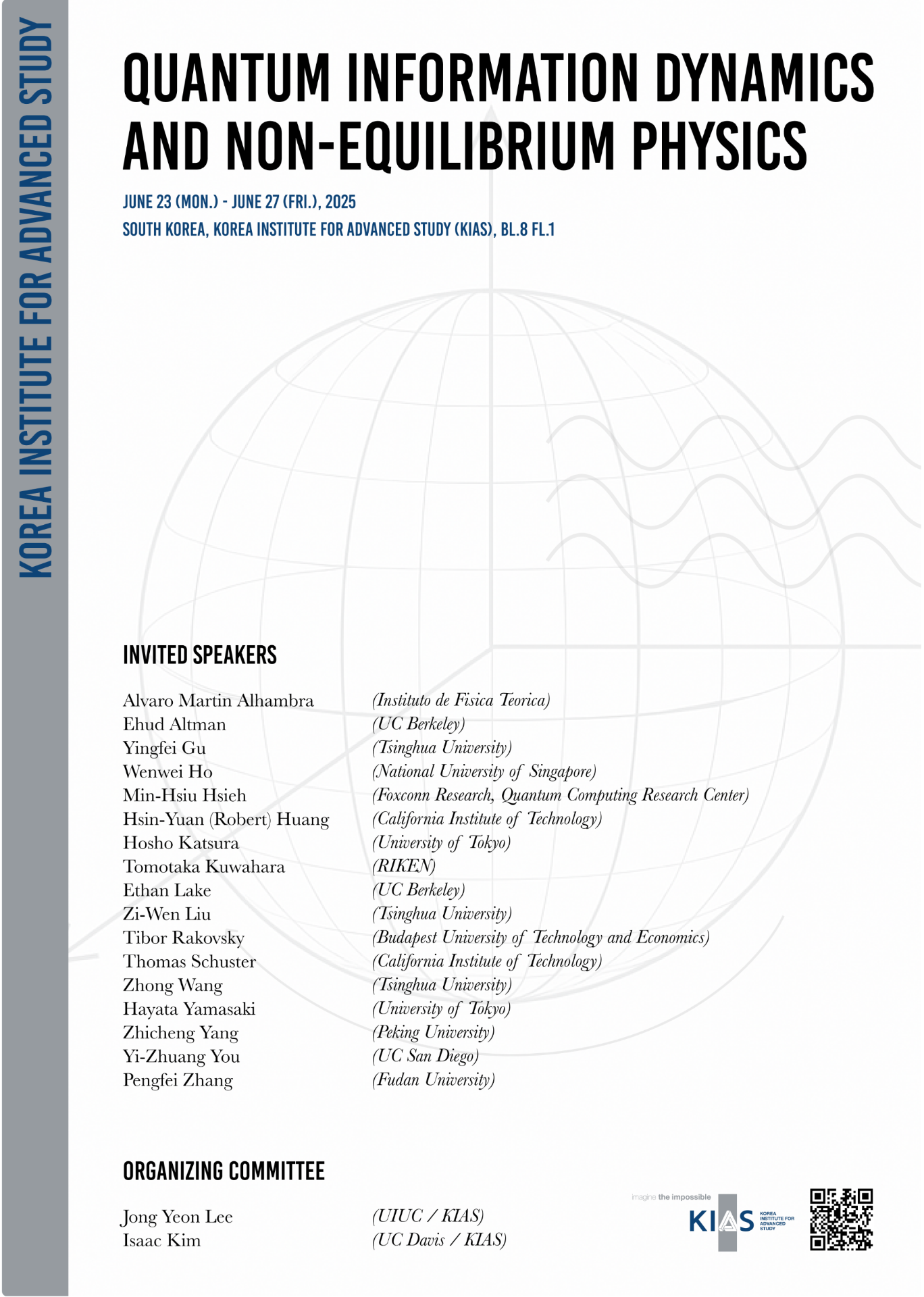
Director Hsieh was invited to attend the international academic conference Quantum Information Dynamics and Non-Equilibrium Physics 2025, held at KIAS (Korea Institute for Advanced Study) in Seoul.
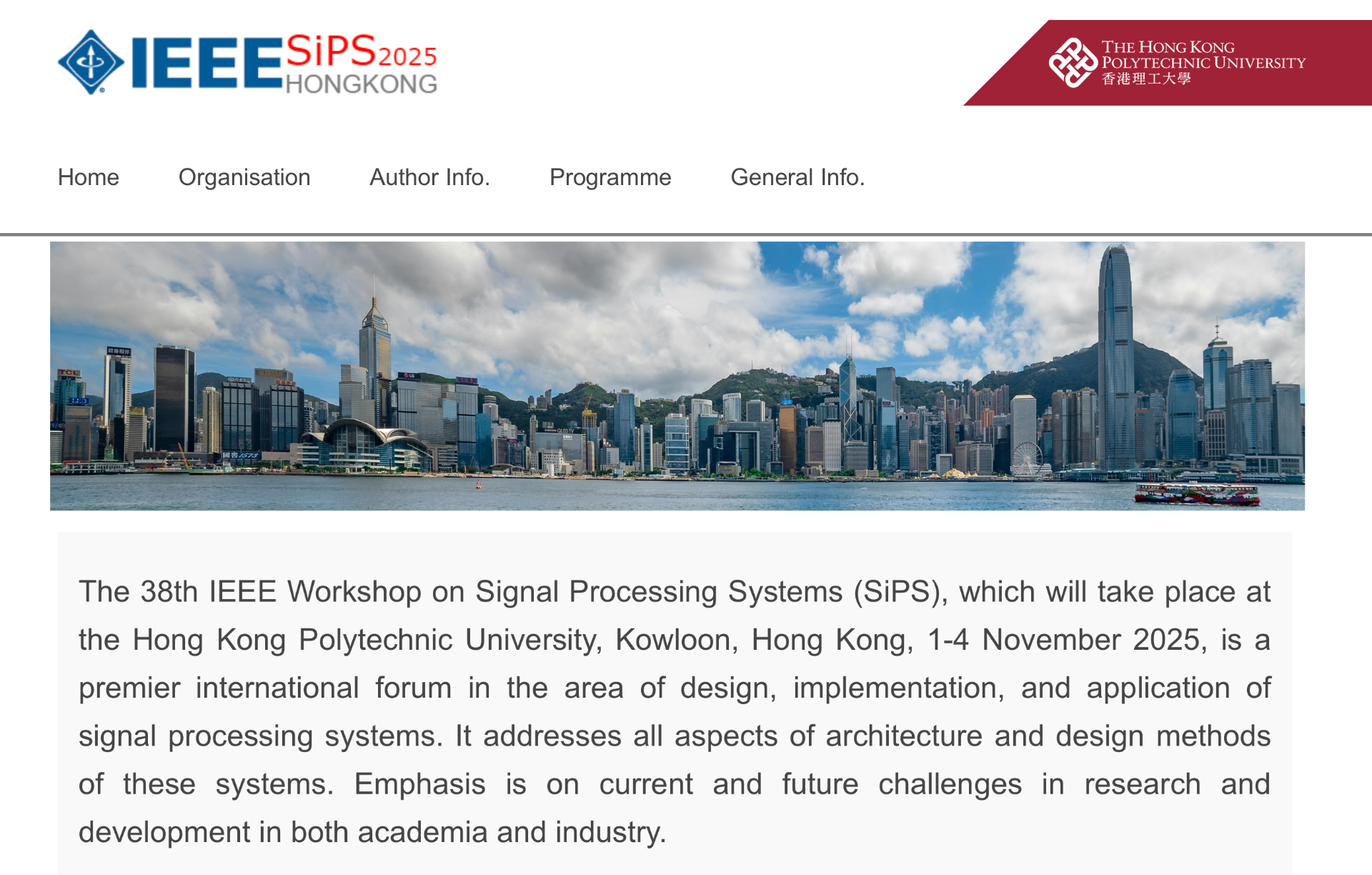
Hon Hai Research Institute Director Invited to IEEE SiPS 2025 Technical Program Committee