Quantum Computing Research Center
- Overview
- Highlights
- Latest News
- Publications
- Team Members
- Tech Blogs
- Events
Building a Quantum Future Focusing on the development of quantum algorithms to build quantum computers that surpass classical systems. Quantum computing harnesses the principles of quantum superposition and entanglement to process information, offering the potential for significant speed-ups in solving various computational problems. Led by Professor Ming-Hsiu Hsieh, the Hon Hai Quantum Computing Research Center is advancing both hardware and software fronts. On the hardware side, the Center plans to establish an ion trap laboratory and develop quantum control systems and miniaturized devices. On the software side, the research areas include quantum optimization, quantum metrology, and fault-tolerant quantum computing. The main missions of the Center are as follows: 1. Conduct research and development on quantum computing topics 2. Actively explore practical applications well-suited for quantum computation 3. Cultivate and train technological talent in quantum-related fields 4. Promote academia-industry collaboration on quantum computing in Taiwan
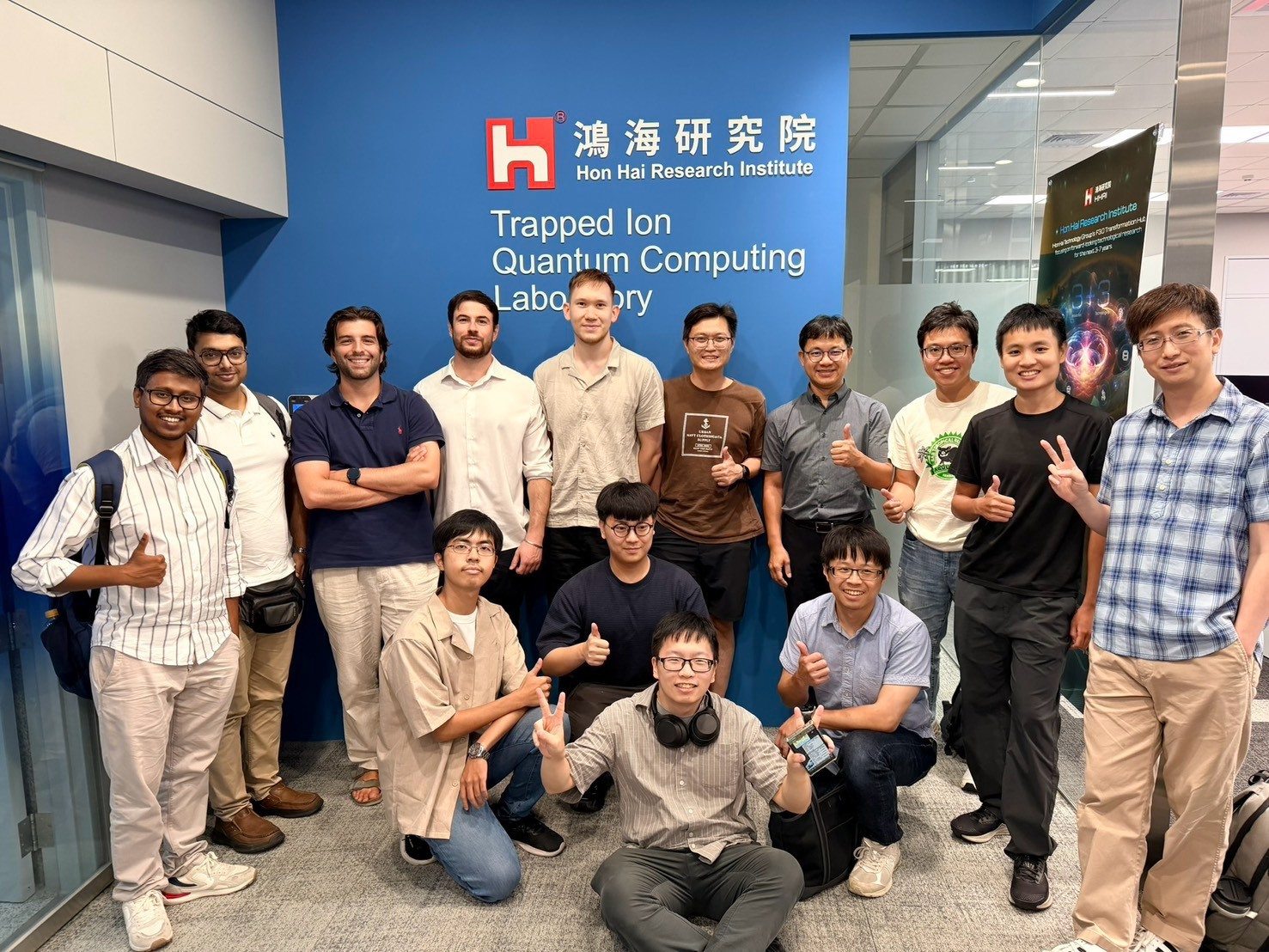
Taiwan x Germany Mini-Symposium Debuts at Baogao Smart Industrial Park: Focusing on Trapped-Ion Systems and Applied Quantum Information
The "Taiwan x Germany Mini-Symposium," jointly organized and attended by the Hon Hai Trapped-Ion Quantum Computing (TIQC) Laboratory, the Hon Hai Quantum Computing Research Center (HHQC), and multinat
🌟 Hon Hai Research Institute Quantum Computing Center Shines at AQIS 2026
At the 26th Asian Quantum Information Science Conference (AQIS 2026) held at KAIST in Daejeon, South Korea, the Hon Hai Quantum Computing Research Center (HHQC) showcased a wealth of research achievem
HHQC Continues Support for Quantum Talent Development in Taiwan: Sponsoring 2026 Qiskit Hackathon and Presenting Corporate Special Award
The Hon Hai Quantum Computing Research Center (HHQC) announced its continued sponsorship of the "Qiskit Hackathon Taiwan 2026" and the "NTU-IBM Quantum System 2026 Users Conference," organized by the
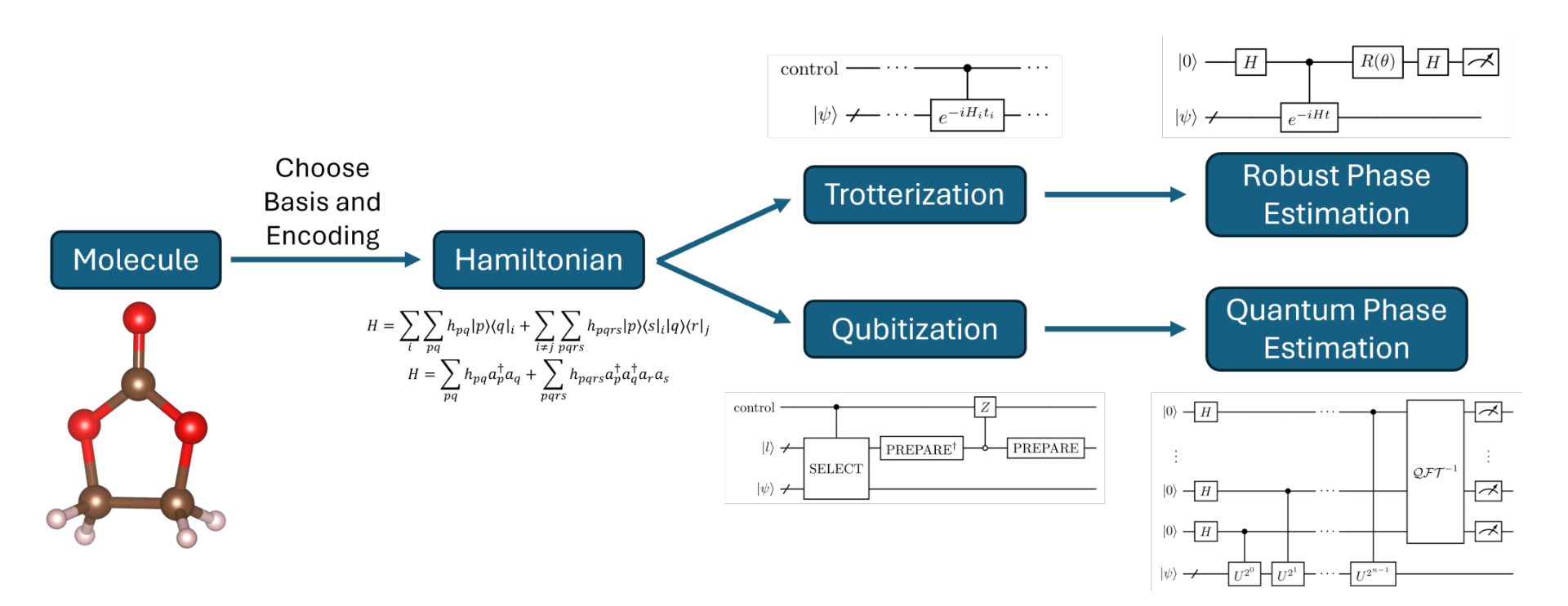
🌟 HHQC’s Quantum Chemistry Simulation Research Accepted by International Journal Physical Review Research
The Hon Hai Quantum Computing Research Center (HHQC) announced that its latest collaborative research has been officially accepted for publication in the renowned international academic journal Physic
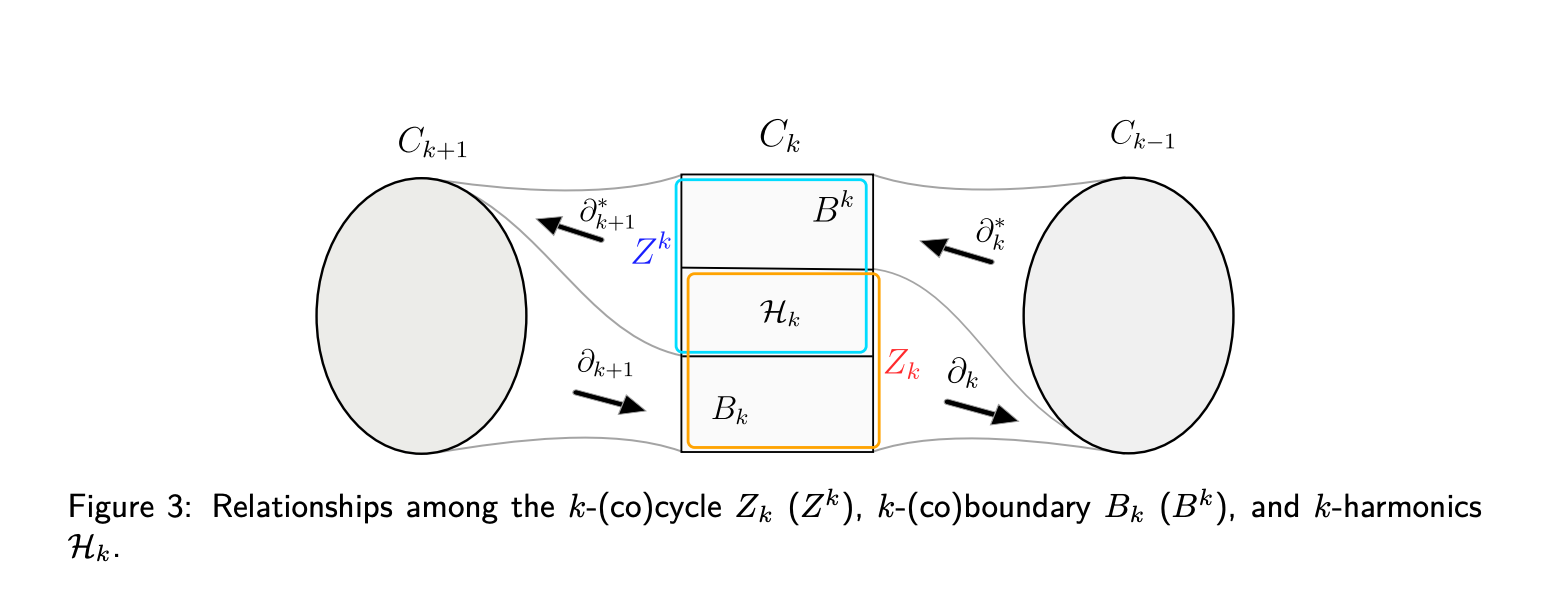
HHQC Research Published in "Quantum": Advancing Topological Data Analysis via Quantum Walks
The Hon Hai Quantum Computing Research Center (HHQC) announced that its latest collaborative research, "Quantum Walks on Simplicial Complexes and Harmonic Homology: Application to Topological Data Ana

🌟 HHQC Intern Kosuke Matsui Presents Latest Research at QCTiP 2026 in Oxford
The Hon Hai Quantum Computing Research Center (HHQC) announced that intern Kosuke Matsui traveled to the University of Oxford in April to participate in the prestigious Quantum Computing Theory in Pra
On the proof of exponential quantum parallel repetition by OpenAI
August 28, 2026, 10am (Taipei time)
Srijita Kundu
Foxconn
Exponential quantum advantage in processing massive classical data
August 21, 2026, 10am (Taipei time)
Haimeng Zhao
Caltech
How To Track Qubits Through Space and Time (Or: Sailing in a Quantum Boat)
August 14, 2026, 10am/4pm (Taipei time)
Leo Orshansky
Columbia
How To Track Qubits Through Space and Time (Or: Sailing in a Quantum Boat)
July 24, 2026, 10am (Taipei time)
Leo Orshansky
Columbia University

Publications
Linear-Time Encodable and Decodable Quantum Error-Correcting Codes.
Artificial intelligence for representing and characterizing quantum systems
Quantum Walks on Simplicial Complexes and Harmonic Homology: Application to Topological Data Analysis with Superpolynomial Speedups
Pre-training Tensor-Train Networks Facilitates Machine Learning with Variational Quantum Circuits









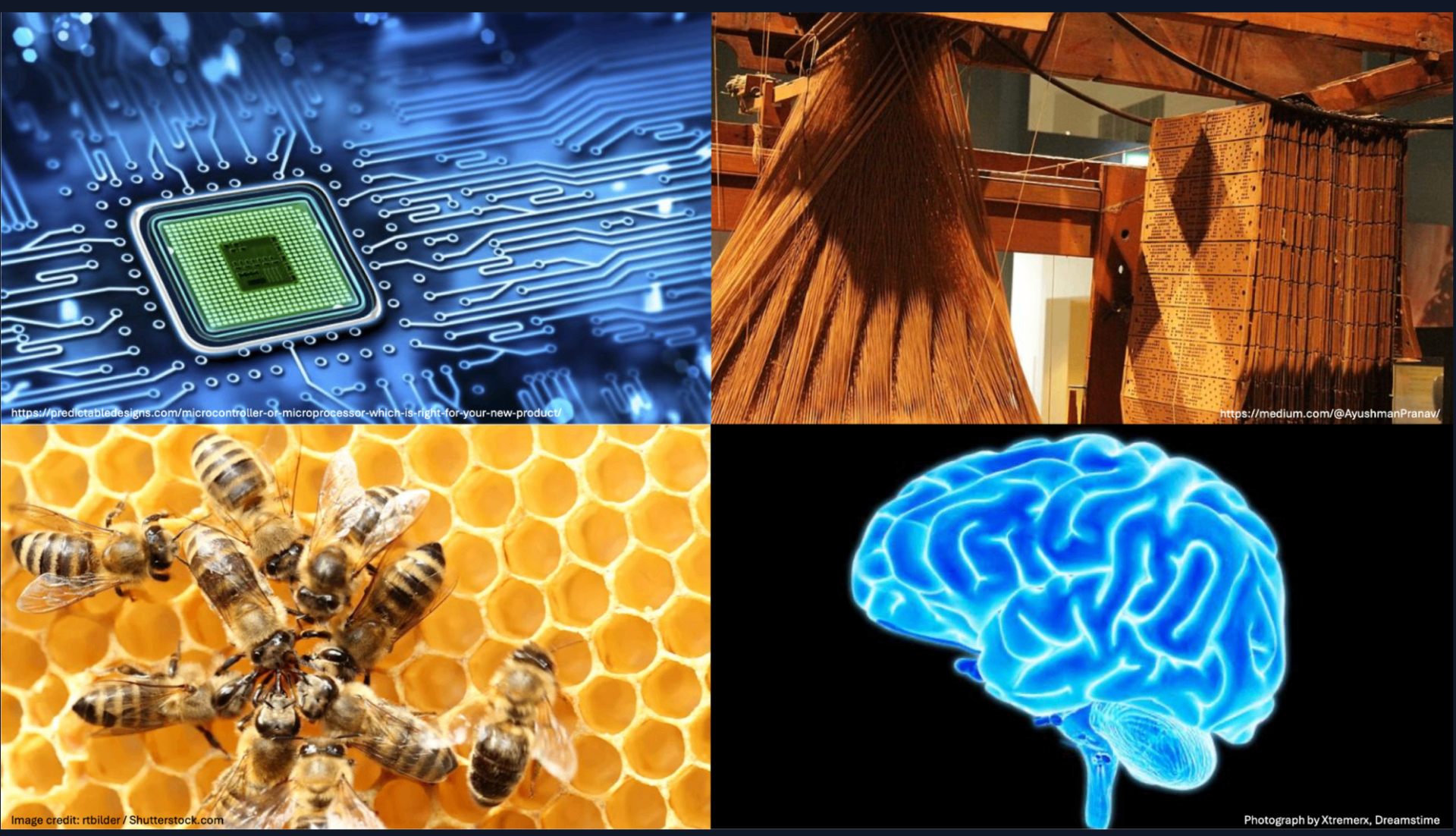
Quantum Research Center Popular Science Talk:A story in computation
Speaker: Dr. Hakop PashayanWhen we think of computation, we usually picture servers humming in massive data centers or the silicon chips embedded in our smartphones. We view computation as a
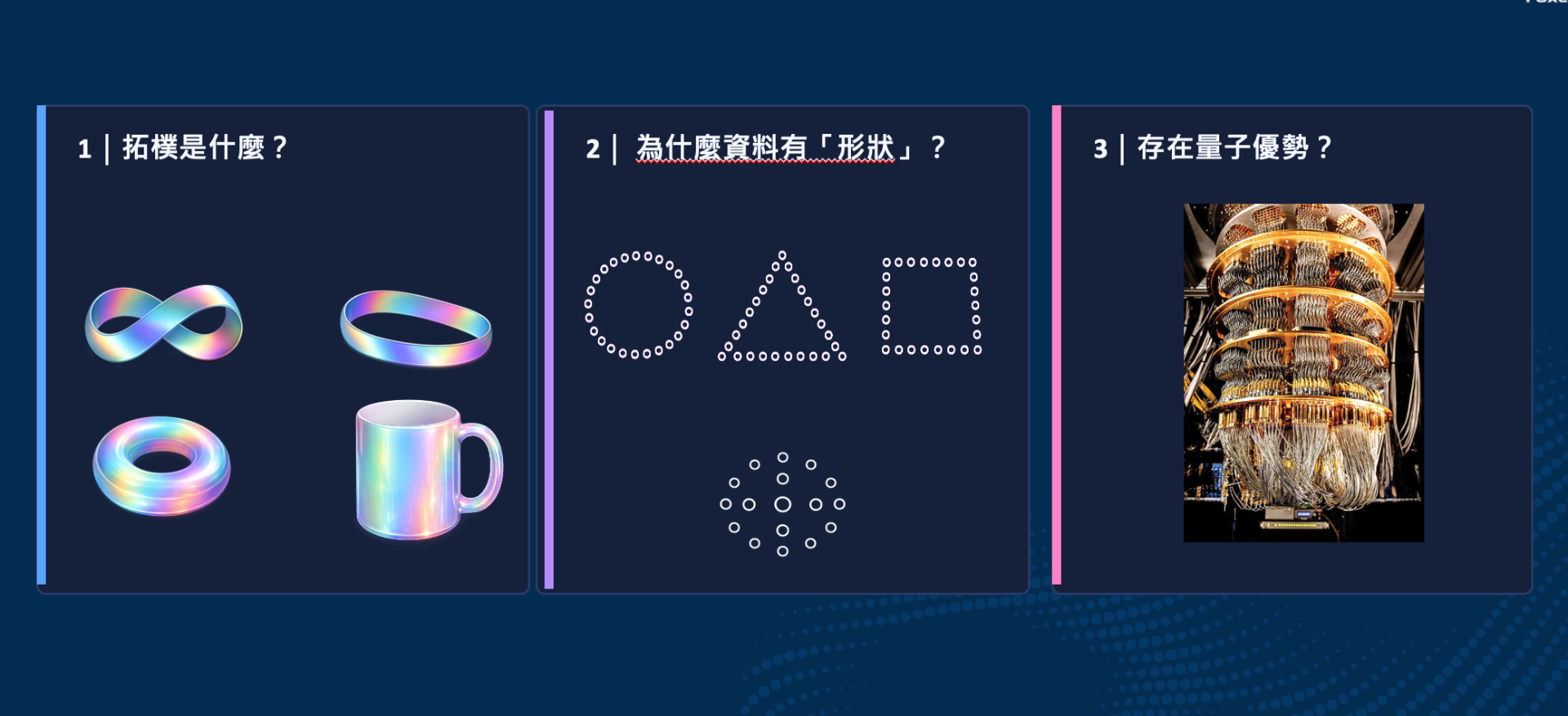
Quantum Research Center Popular Science: The Geometric Contour of Data—From Topological Data Analysis to the Exponential Advantage of Quantum Algorithms
Speaker: Dr. Kuo-Chin ChenI. Introduction: A Geometric Perspective Breaking Through Traditional Dimensionality ReductionIn the contemporary era of Big Data and machine learning, we frequently need to
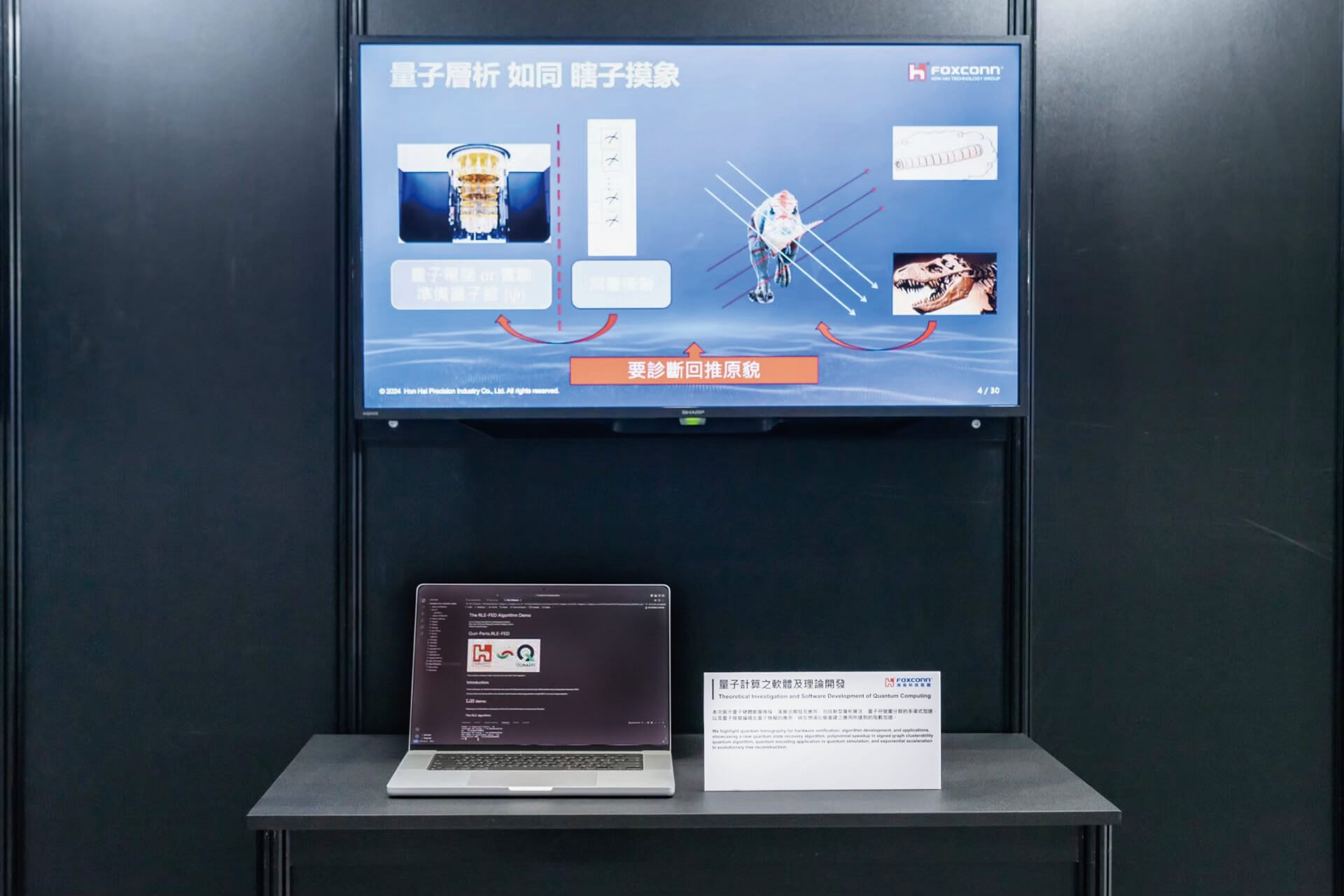
Building Efficient Algorithms with Error Correction, Clustering, and Noise Mitigation
The concept of quantum computing began to take shape in the 1980s, and a major breakthrough came in 1994 with the introduction of Shor's algorithm, which drew worldwide attention from the scientific c